Supporting countries in their cysticercosis control efforts
WHO has been asked by countries affected with cysticercosis, to support their efforts in controlling the parasite and improving the clinical management of patients with neurocysticercosis.
Donation of taenicides
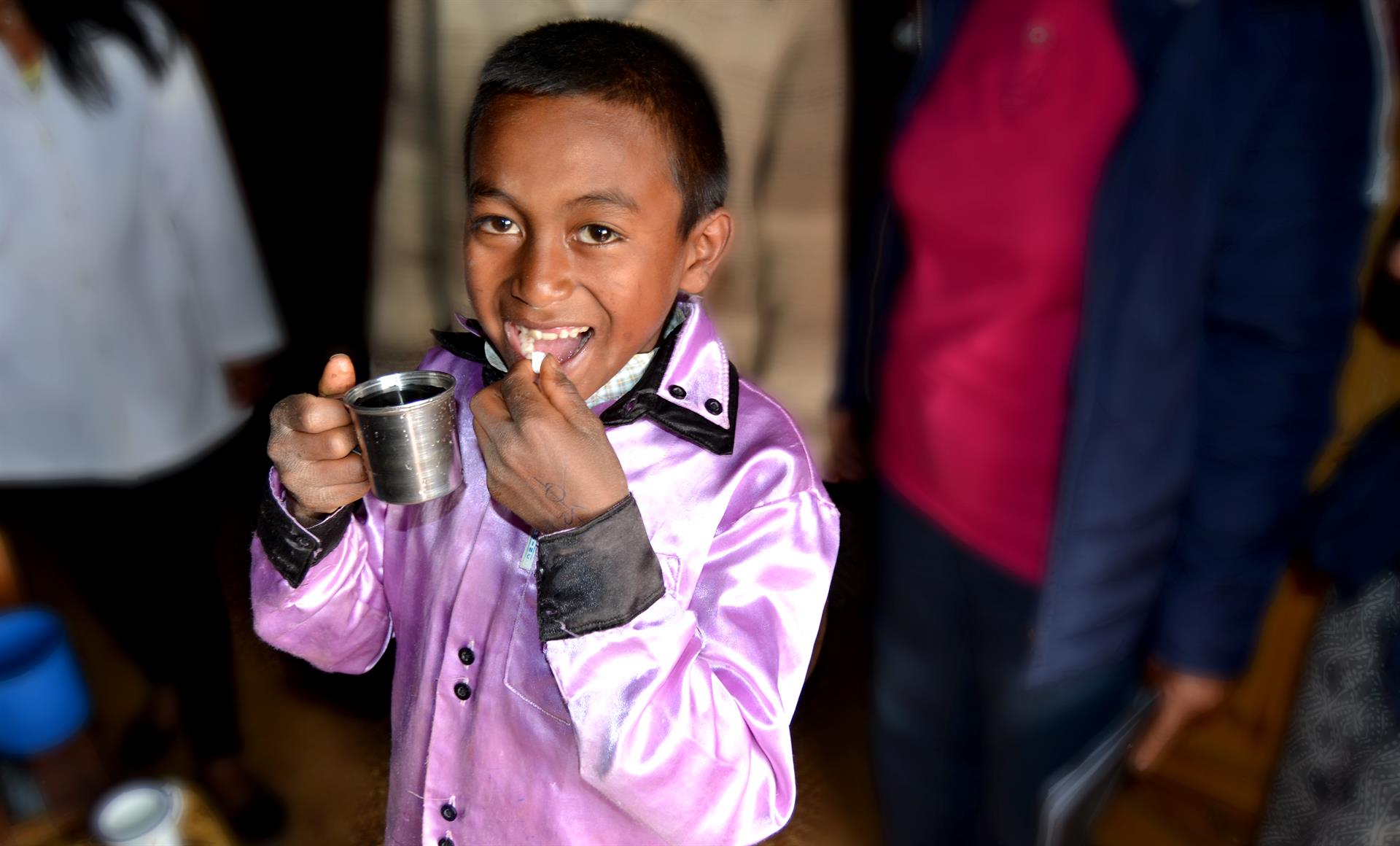
The efforts in controlling the disease are mainly aimed at breaking the cycle of active transmission of the parasite. An important component of this strategy is the treatment of patients that harbor the tapeworm Taenia solium. This is most often undertaken by implementing preventive chemotherapy (mass drug administration or MDA) to reach all the eligible population. The most effective drugs at a single dose are praziquantel and niclosamide. However, until now, these drugs were not easily available in many countries wishing to control the disease. Under the umbrella of universal health coverage, and with the aim of providing access to quality medicines, WHO has negotiated with Bayer the donation of these two drugs which are now available for the control of T. solium through the WHO.
- Request for selected PC medicines (RSM) – to assist countries in quantifying the number of tablets of the relevant medicines required to reach the planned target population and districts during the year for which medicines are requested. | Form in Spanish | Form in French
- Reporting form (RF) – to assist countries in reporting annual progress on integrated and coordinated distribution of medicines across diseases in the reporting year in a standardized format. | Form in Spanish | Form in French
- PC epidemiological data reporting form (EPIRF) – to standardize national reporting of epidemiological data on taeniasis/cysticercosis. National authorities are encouraged to complete this form and submit it to WHO every year, together with the RF. | Form in Spanish | Form in French
Identification of endemic areas (mapping)
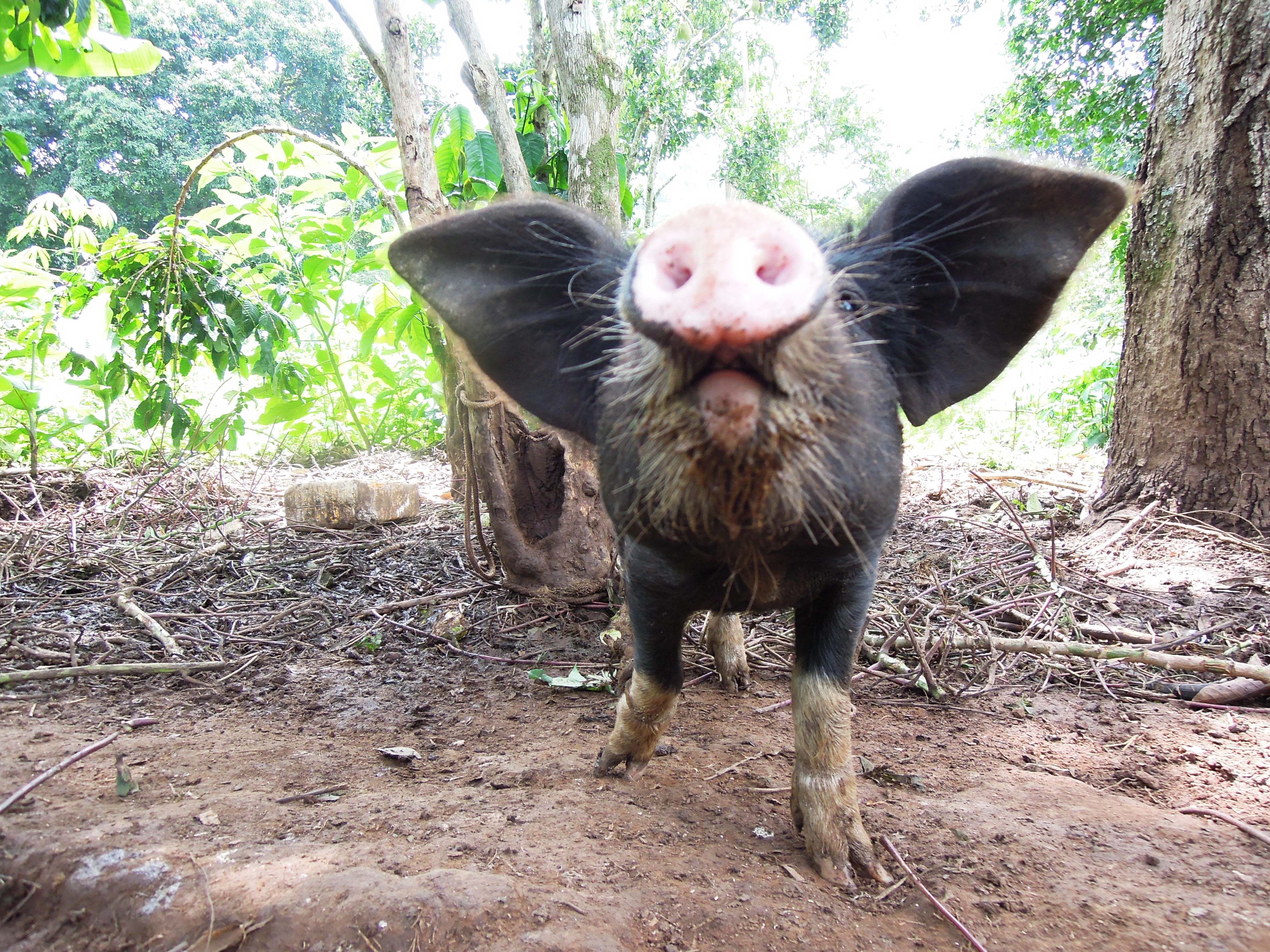
Cysticercosis is a focal disease, affecting the poorest communities in which basic sanitation is deficient and pigs roam free. One of the first steps to control the disease is to identify those communities or endemic areas where control measures need to be implemented. WHO is assisting countries by providing protocols for mapping (identifying the endemic or high risk areas), as well as assisting countries such as Cambodia in training of diagnostic techniques that can be used for mapping.
- Mapping tool for Taenia Solium . V.1.0 – Identifying the endemic or high risk areas). | Form in Spanish