The WHO maternal, newborn, child and adolescent health (MNCAH) e-handbook is a vital resource for ministry of health programme managers, offering essential guidance for implementing effective health programmes. It provides concise overviews of key activities and interventions along the life course. By referencing relevant WHO documents, the e-handbook ensures that programme managers have access to evidence-based strategies and best practices tailored to various contexts. This streamlined approach supports efficient programme design and execution, ultimately helping to enhance health outcomes and achieve universal health coverage goals. This handbook contains a prioritised list of documents; for a full list of documents go to the:
Maternal, Newborn, Child and Adolescent Health and Ageing
We lead WHO’s work on the life course so that every pregnant woman, mother, newborn, child, adolescent, and older person will survive, thrive and enjoy health and well-being.
Programme manager's handbook for maternal, child and adolescent health
Sections


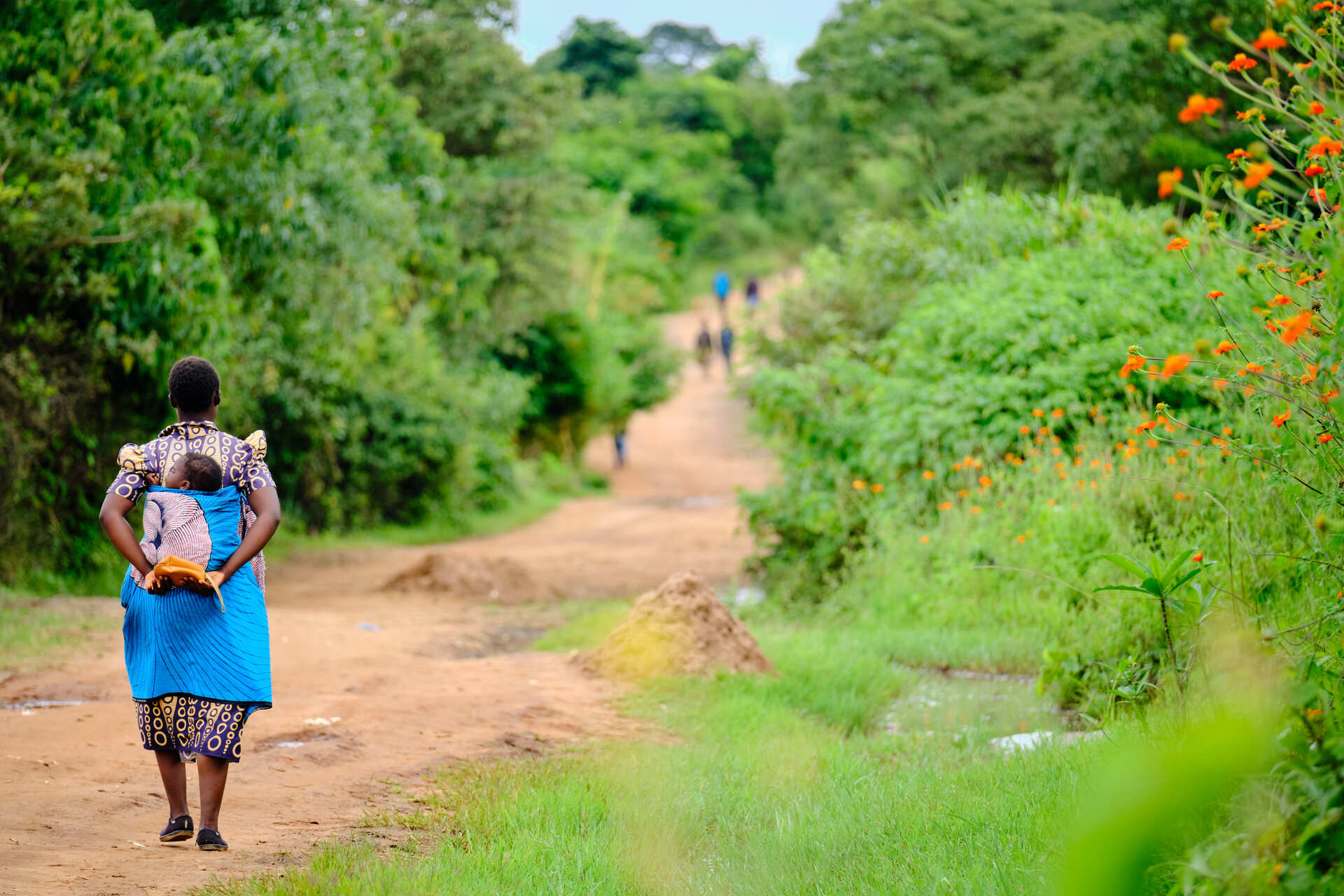
/maternal-newborn-child-adolescent-health-ageing-(mca)/maternal-health-(mah)/a-newborn-and-a-midwife.jpg?sfvrsn=890ae86c_3 "A newborn and a midwife")


23 June 2026
Strengthening capacity for newborn screening, diagnosis and management of birth defects: WHO technical...
This report summarizes a WHO technical consultation focused on strengthening newborn screening, diagnosis and management of birth defects within national...
14 May 2026
Working for a brighter, healthier future: how WHO improves health and promotes well-being for the world’s...
WHO continues to strengthen its work for adolescent health and well-being through a coordinated approach led by the HQ Interdepartmental Technical Working...
Sickle-cell disease (SCD) is the most common inherited blood disorder worldwide and a leading cause of preventable child death and disability, particularly...