Management of noncommunicable diseases
The Management of Noncommunicable Diseases (MND) unit supports Member States in the application of the WHO Implementation Road Map 2023–2030 for the Global Action Plan for the Prevention and Control of NCDs 2013–2030. This includes:
- developing the normative guidelines, WHO recommended interventions, technical packages and tools underpinned by the latest evidence and consensus with global experts
- technical support to accelerate country action
- coordinating and collaborating with different partners and stakeholders to ensure universal access to NCD services and integration of NCD management services through primary health care approach.
Our unit aims to address the needs of people living with NCDs and to foster alignment of implementation at all levels within and between countries and WHO.
The unit focuses on prevention, early detection and management of the following overall programme areas: cardiovascular diseases; cancer; diabetes; chronic respiratory diseases; and oral health.
Our work
News
All →Feature stories
All →Related activities
Toolkit for developing a multisectoral action plan for noncommunicable diseases
Latest publications
All →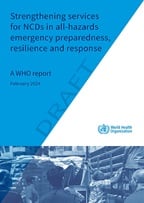
Strengthening services for NCDs in all-hazards emergency preparedness, resilience...
This report presents a global mapping of glucagon-like peptide-1 receptor agonist manufacturers, with a particular focus on semaglutide. The mapping describes...
Closing the childhood cancer survival gap through sustainable access to essential medicines: market shaping...
Childhood cancer remains one of the starkest inequities in global health, with substantial differences in survival across countries and health systems....
Teaching with care: a practical guide for teachers to support mental health and well-being in schools
Teachers are often the frontline adults closest to learners, and their everyday interactions can profoundly shape how children and young people feel, learn...