
Feeding an infant or young child
Updated: 30 September 2022
Manuela Leporesi
©
Credits
Tips and information
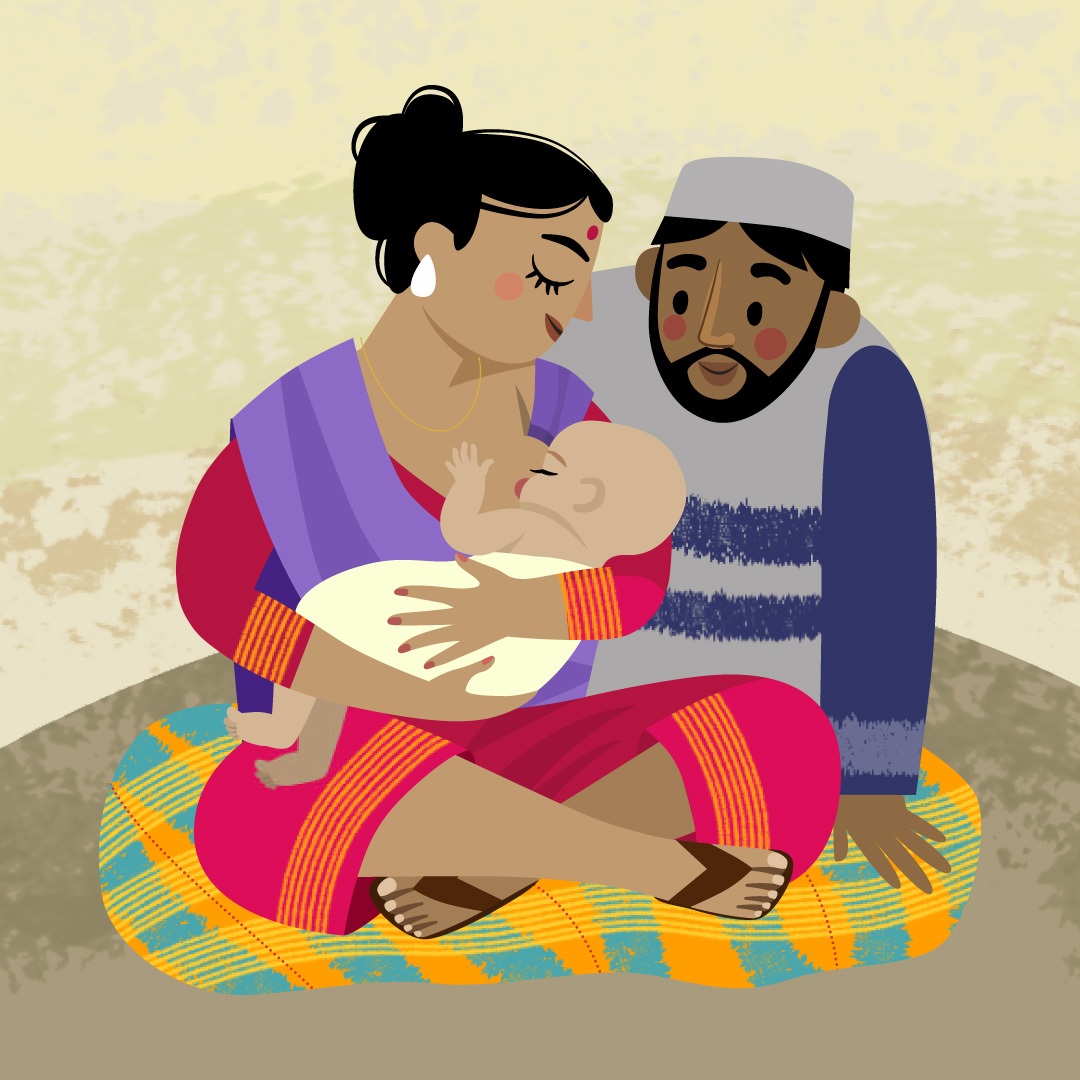
- If you need help with breastfeeding, ask others for advice, such as asking a trained health worker or other experienced women
- Feed a baby only with breast milk for the first six months
- Give the baby no fluids other than breast milk
- Give small amounts of easy to digest food at 6 months and continue to breastfeed up to 2 years of age or beyond
- Give a variety of foods that need chewing as the infant gets older daily, or as often as possible (such as meat, poultry, fish, fruit and vegetables or eggs)
- Give food to infants directly using a spoon and feed slowly and patiently
- Encourage children to eat but do not force them
- Talk to children while they eat, with eye to eye contact
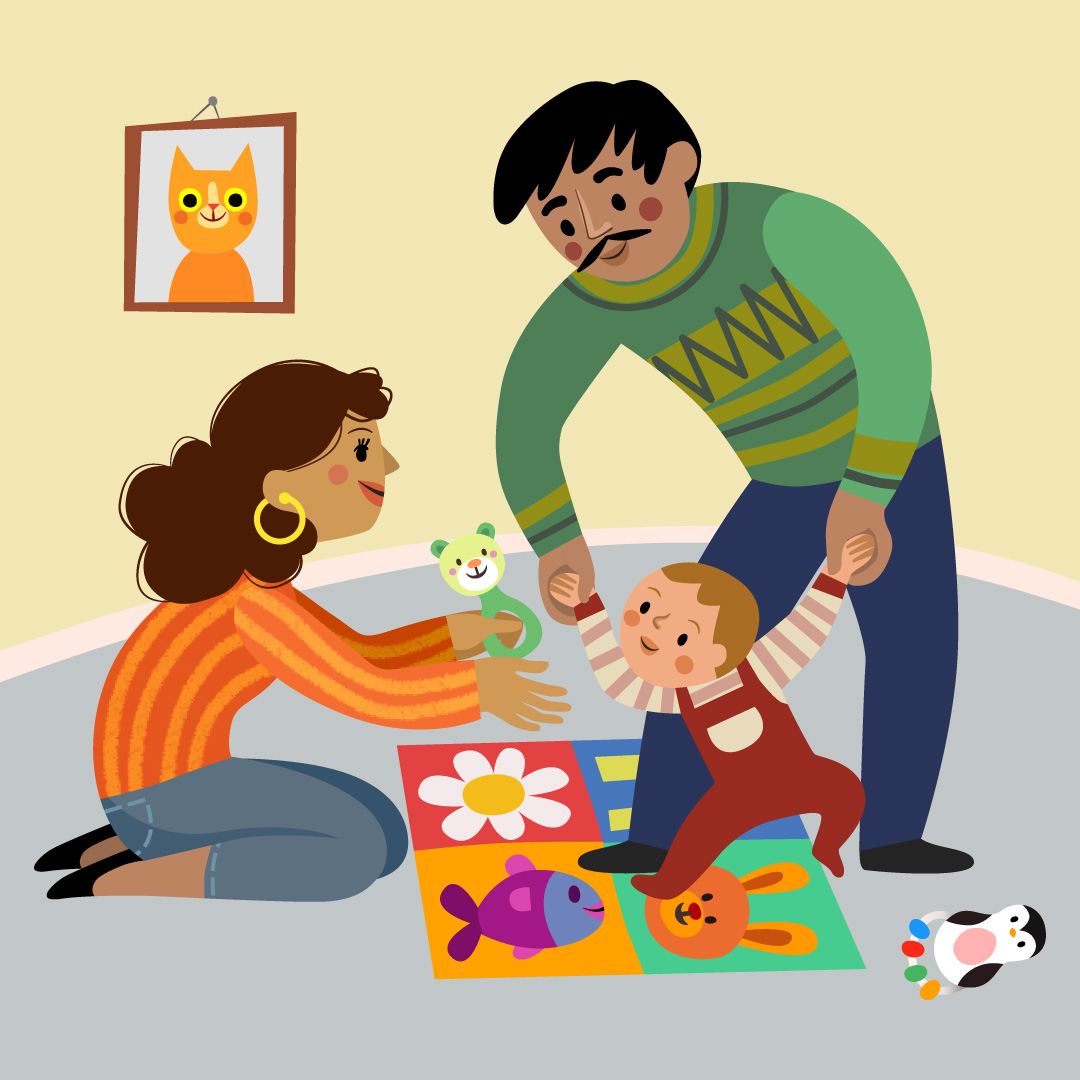
- Help children to learn to feed themselves
Related tips and information



Related rights



Videos & infographics
All →


Publications
All →Implementation guidance on donor human milk banking: organizational characteristics and regulatory classification
Standards for donor human milk banking
Ensuring competency for providers of breastfeeding support and care
Strengthening capacity for newborn screening, diagnosis and management of birth defects: WHO technical consultation on planning and implementing services integrated into national health systems in low- and middle-income countries
Related health topics